
If you're a fan of sweet and salty, this easy homemade salted caramel sauce is a game changer. It’s smooth, buttery, and perfect for drizzling over desserts or adding to your favorite fall drinks! Plus, with just a few simple ingredients, you’ll have rich caramel ready in no time!
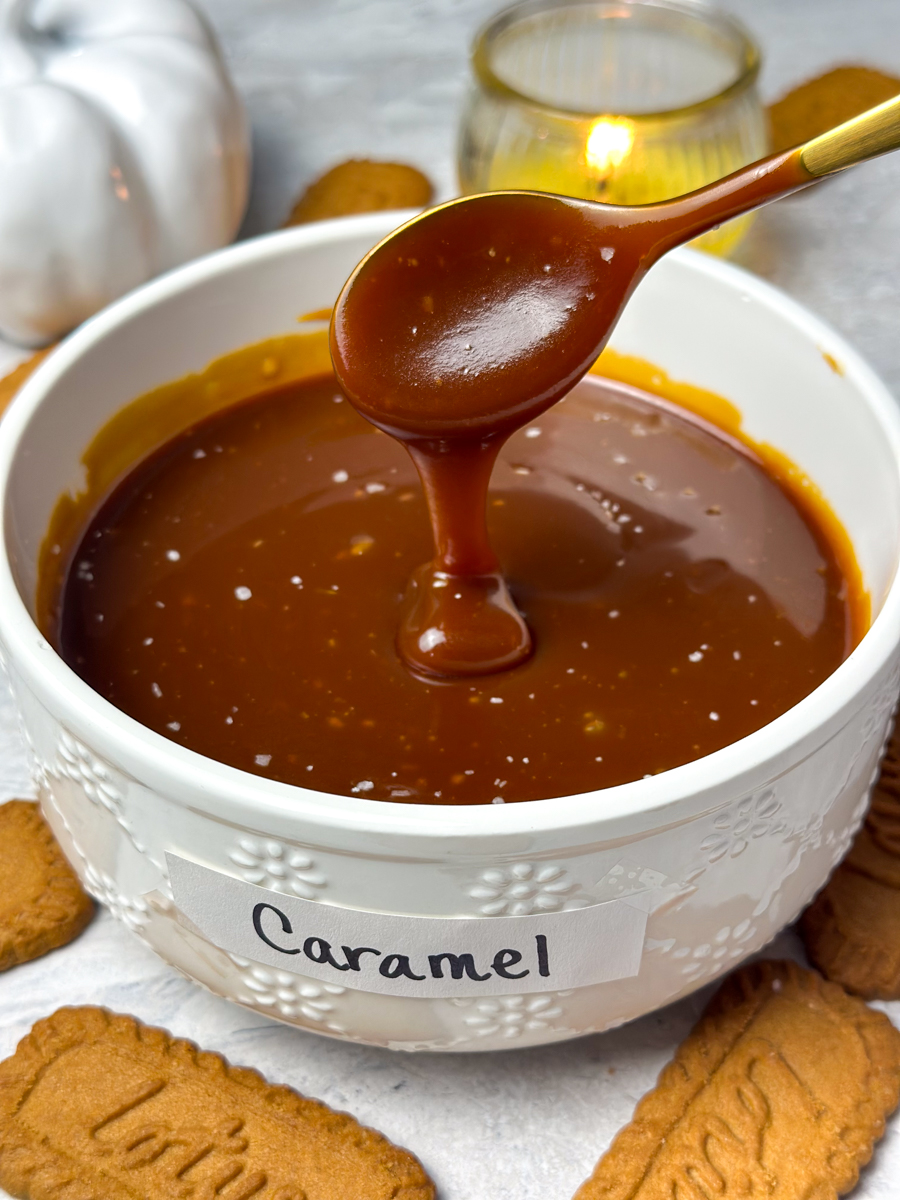
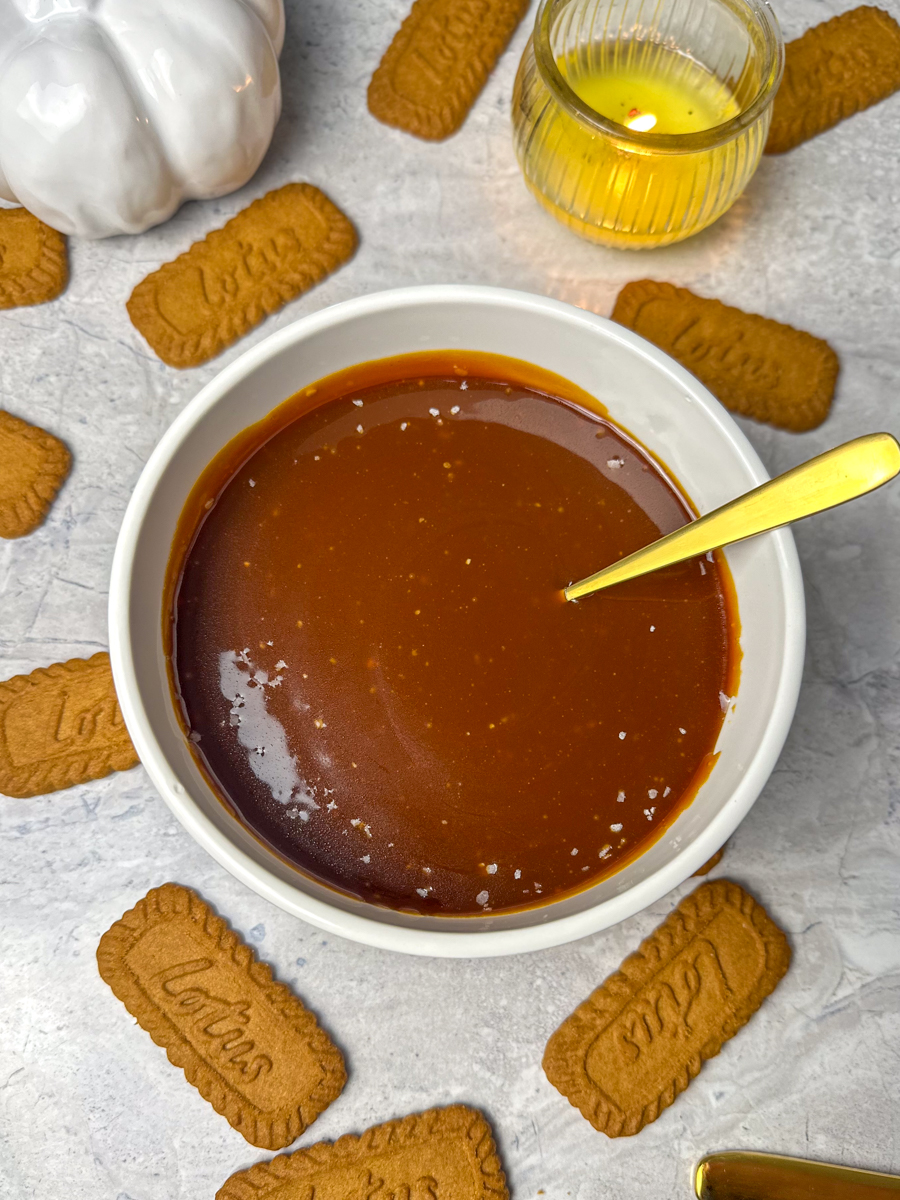
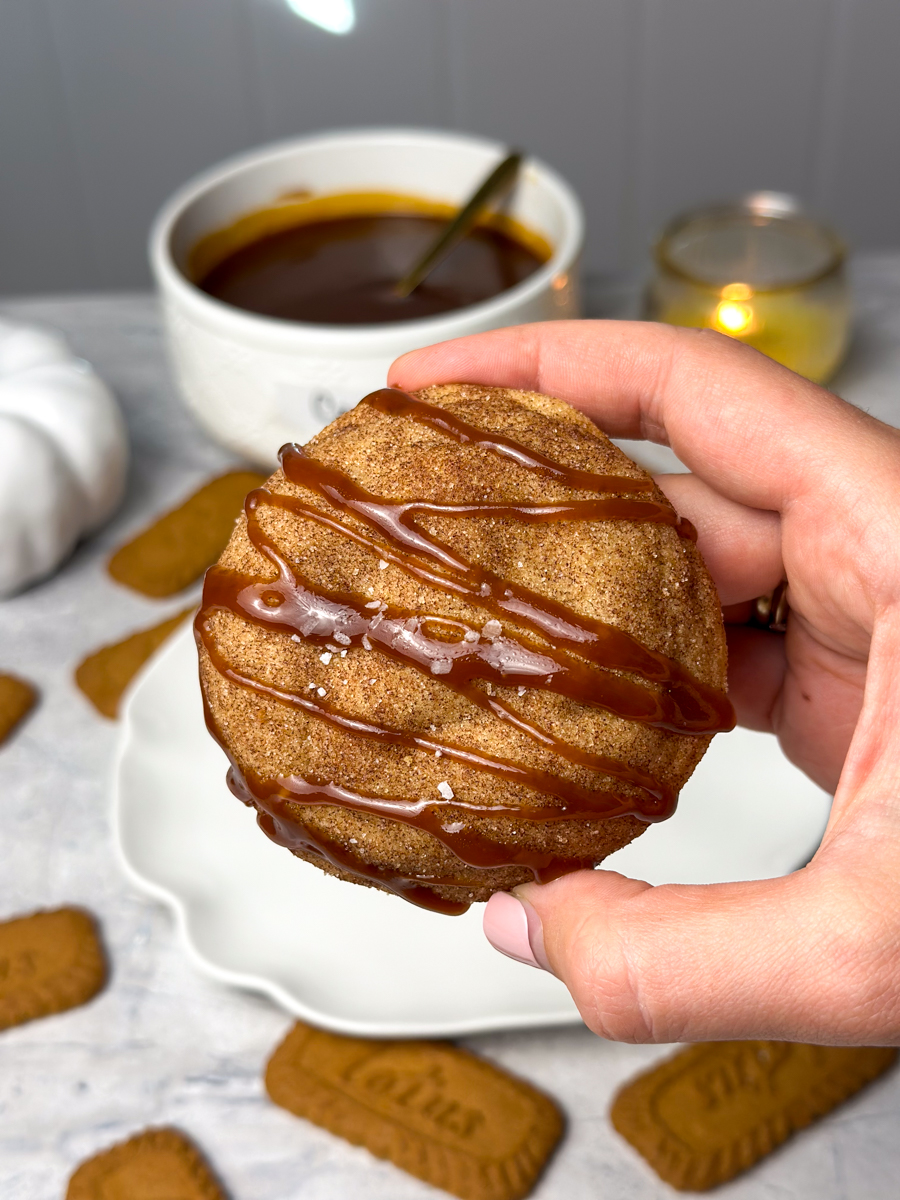
You can drizzle this over my cheesecake bars, cinnamon cookies, pear crumble & SO much MORE!
Jump to:
Ingredients for Salted Caramel
- Granulated Sugar
- Unsalted Butter
- Heavy Cream
- Salt
See recipe card for quantities.
Instructions
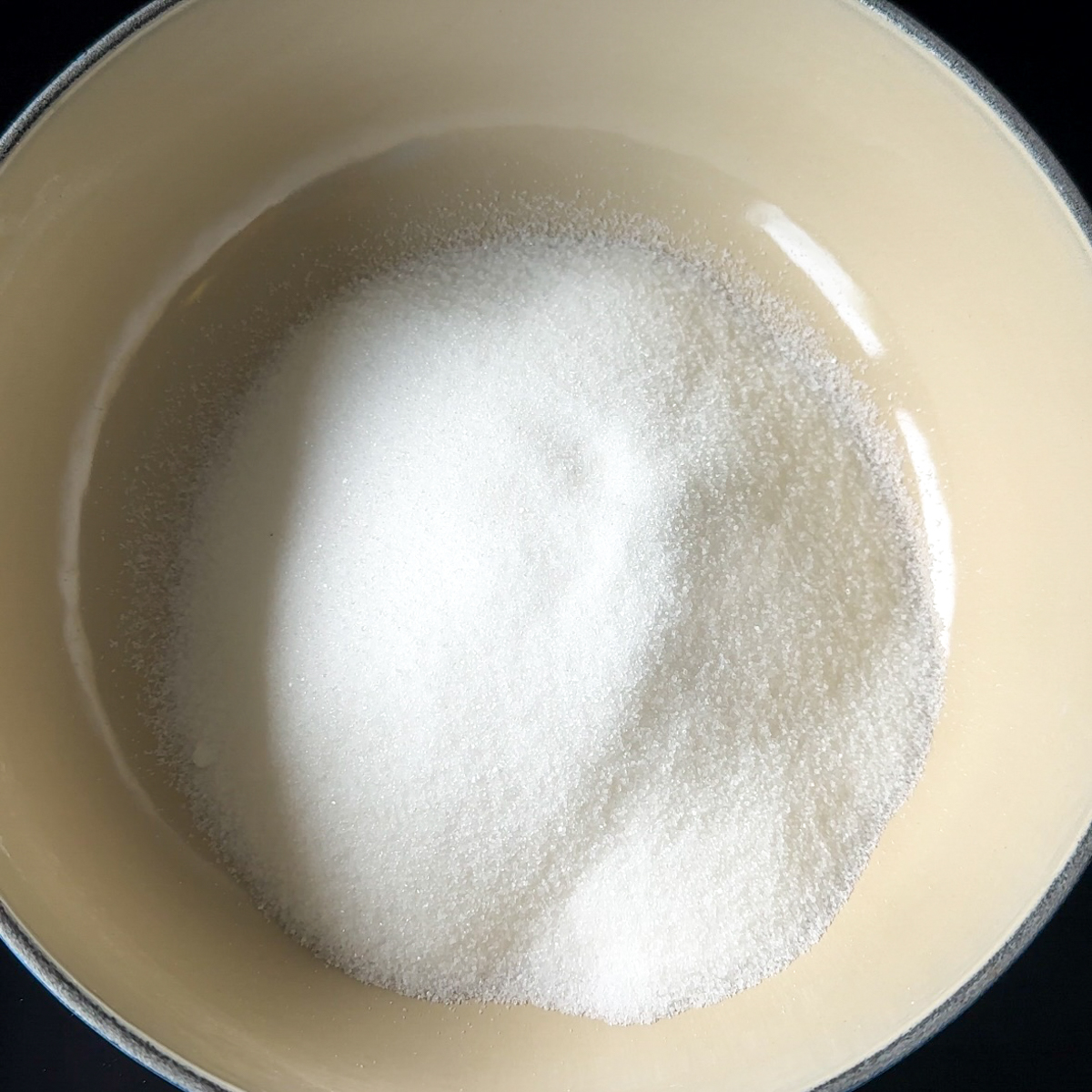
To a hot pan, add white sugar & melt.
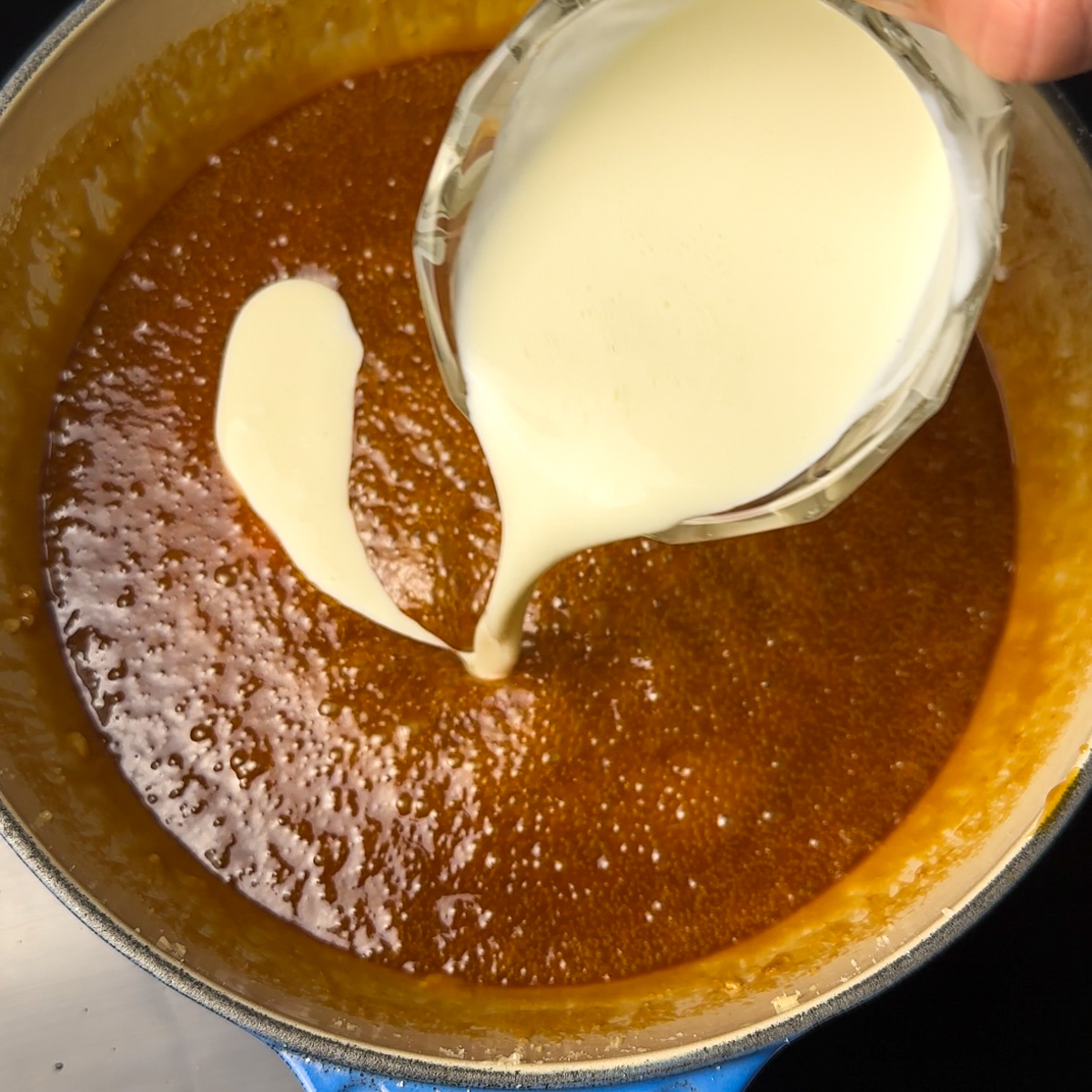
Gradually add in butter & heavy cream
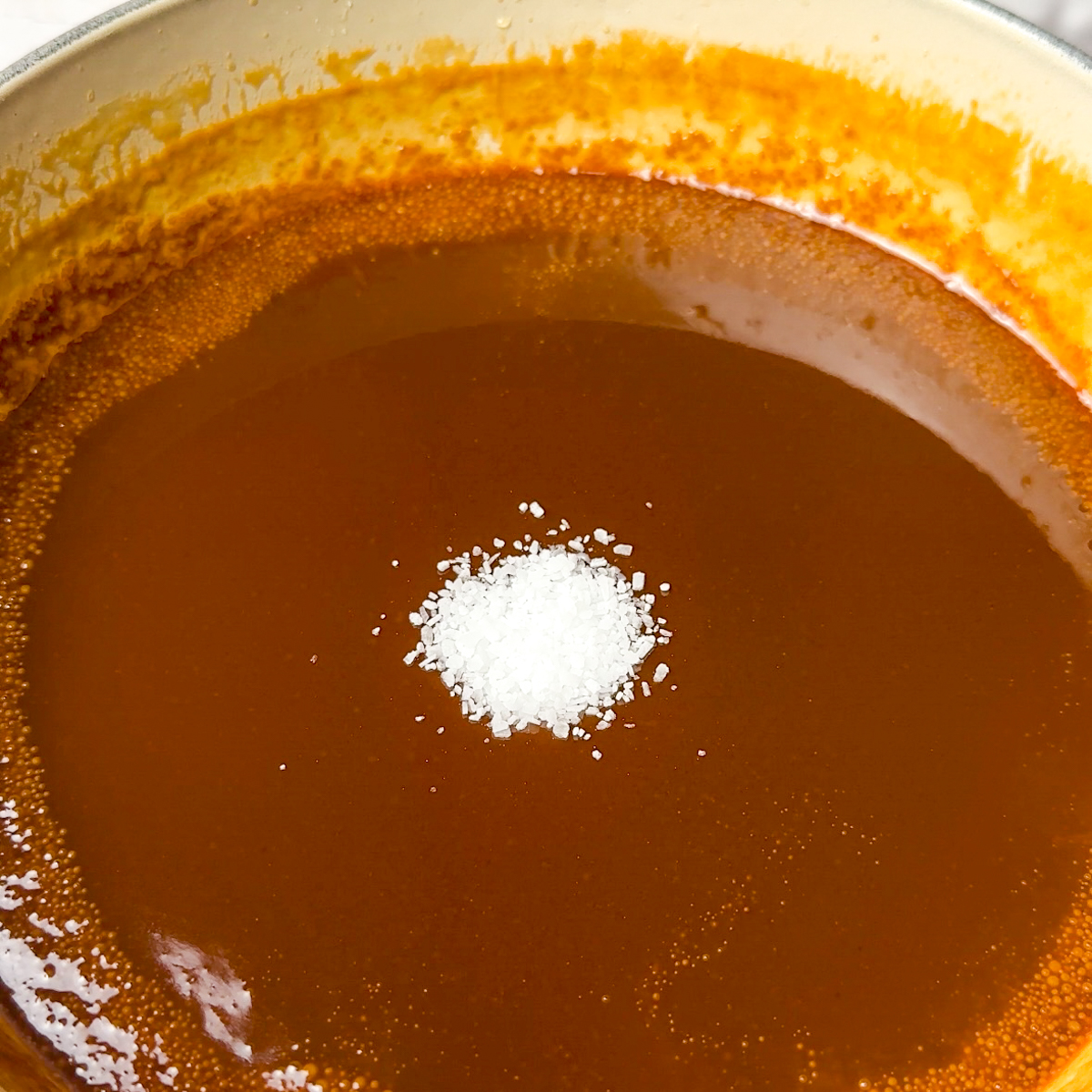
Finally, mix in the flaky salt
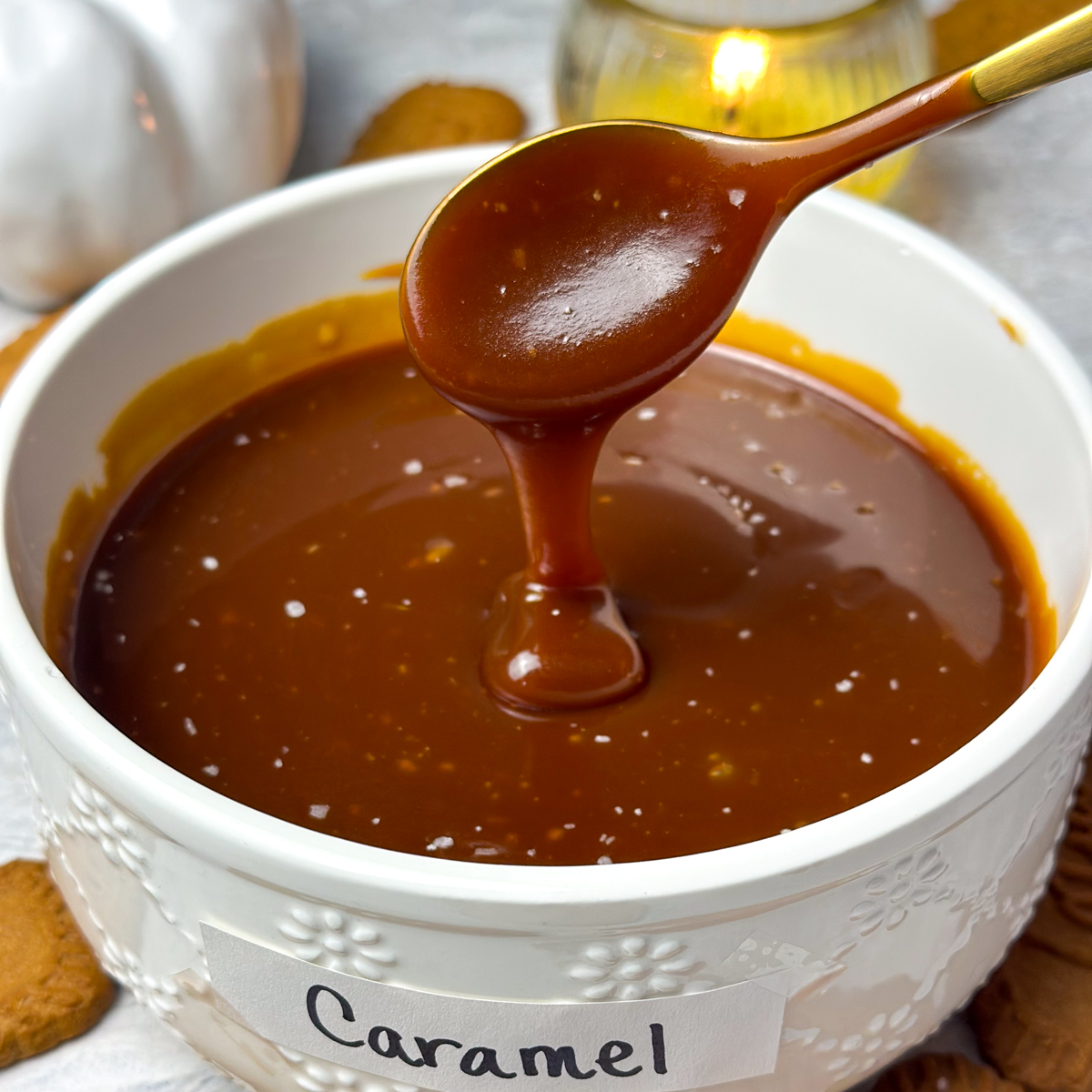
Drizzle & Enjoy!
Instructions:
- Melt Sugar: Heat sugar in a heavy saucepan over medium heat, stirring constantly until it melts into a smooth amber liquid.
- Add Butter: Stir in butter carefully, as the mixture will bubble. If it separates, remove from heat and whisk until smooth.
- Add Cream: Slowly pour in the cream while stirring. Let it boil for 1 minute without stirring.
- Add Salt & Cool: Remove from heat, stir in salt, and allow to cool. Caramel will thicken as it cools.
See recipe card for full detailed instructions! (All the way at the bottom:)
Equipment for Homemade Salted Caramel
- stainless steel pan or enamelled saucier
- whisk
Storage
Store the caramel in an airtight container in the refrigerator for up to 1 month. It will solidify when cold. To use, reheat gently in the microwave or on the stove until it reaches the desired consistency.
Top tips for success
- Use Room Temperature Ingredients: This prevents the caramel from seizing when adding butter and cream.
- Stir Constantly: Keep stirring to ensure the sugar melts evenly and doesn’t burn.Work
- Quickly but Carefully: Once the sugar melts, the process moves fast—be ready to add butter and cream immediately.
FAQs
Caramel can crystallize if sugar particles cling to the sides of the pan, causing clumps to form. To prevent this, brush down the sides of the pan with a wet pastry brush or avoid stirring too vigorously during the melting process.
If your caramel separates (looks greasy or clumpy), remove it from heat and whisk vigorously until smooth. If needed, add a splash of warm cream or water to help it come back together.
Yes, you don’t need a thermometer for basic caramel. You can tell the caramel is ready when it reaches a deep amber color and bubbles steadily after adding the cream.
Related
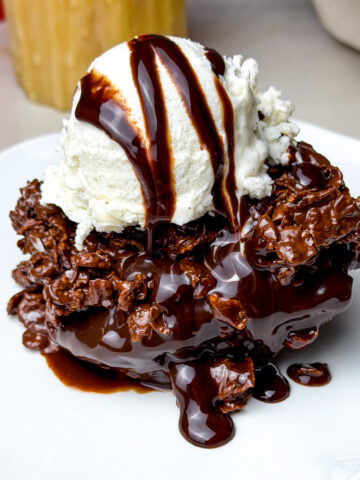
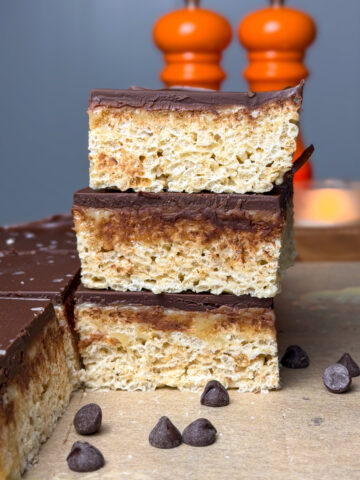
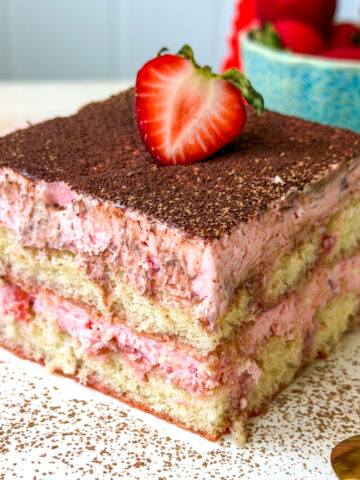
Looking for other dessert recipes like this? Try these:

Easy Salted Caramel Recipe
Ingredients
Equipment
Method
- Melt the Sugar: In a medium, heavy-bottomed stainless steel saucepan (avoid nonstick), heat the sugar over medium heat. Stir continuously with a heat-resistant silicone spatula or wooden spoon. The sugar will clump at first but will gradually melt into a smooth amber liquid. This process typically takes 7-10 minutes, depending on your stove. Be careful not to let it burn.
- Incorporate the Butter: Once the sugar is fully melted, carefully add the butter. Expect the mixture to bubble vigorously. Stir until the butter is fully melted and incorporated. If the mixture looks like it's separating or clumping, remove the pan from the heat and whisk vigorously until smooth (this may take 3-4 minutes). Once combined, return the saucepan to the heat.
- Add the Cream: Slowly pour the room-temperature heavy cream into the caramel while stirring constantly. Be cautious, as the caramel will bubble up rapidly when the cream is added. Let the mixture boil for about 1 minute without stirring, allowing it to rise in the pan. If using a candy thermometer, the temperature should reach approximately 220°F (104°C).
- Add Salt & Cool: Remove the caramel from the heat and stir in the salt. At this point, the caramel will be thin, but it will thicken as it cools. Let it cool slightly before using.
- Storage: Store in an airtight container in the refrigerator for up to 1 month. The caramel will solidify when cold; reheat gently in the microwave or on the stove until it reaches your desired consistency.
Tried this recipe?
Let us know how it was!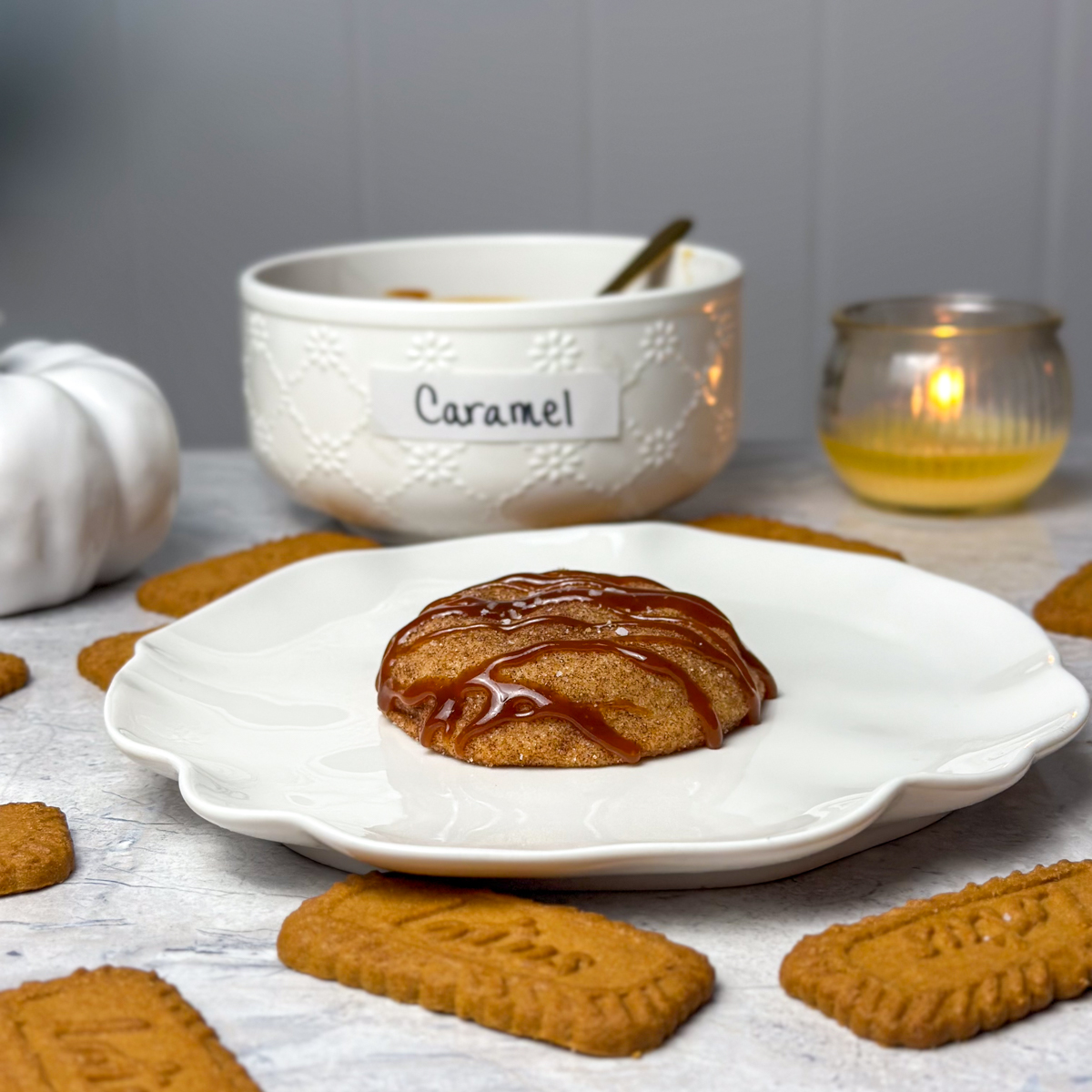
Food safety
- Don't leave food sitting out at room temperature for extended periods
- Never leave cooking food unattended
- Use oils with high smoking point to avoid harmful compounds
- Always have good ventilation when using a gas stove
See more guidelines at USDA.gov.
Leave a Reply